Ensuring the safety and reliability of your building's vertical transportation systems is paramount. Regular elevator inspection is not just a regulatory requirement; it's a critical component of maintaining operational efficiency and passenger well-being. At Rise Elevator Services, we understand the intricate balance between performance and safety, providing expert services to keep your elevators running smoothly. But how often should these vital checks occur to ensure optimal performance and adherence to safety standards?
Regulatory Requirements for Elevator Inspection
The frequency of elevator inspection is primarily dictated by local, state, and national regulations, which can vary significantly depending on your location and the type of elevator. Most jurisdictions require a mandatory annual elevator inspection conducted by a certified inspector. Additionally, many areas mandate semi-annual or quarterly maintenance checks performed by a licensed elevator technician. For certain high-traffic environments, such as a busy commercial elevator, more frequent checks might be recommended or even required by local codes to ensure continuous safety and functionality. Staying compliant with these regulations is crucial not only for safety but also to avoid potential penalties and liability issues.
Beyond Compliance: The Benefits of Regular Checks
While meeting regulatory standards is a baseline, a proactive approach to elevator inspection goes far beyond simple compliance. Regular, thorough inspections are a cornerstone of preventive maintenance, identifying minor issues before they escalate into major, costly repairs or dangerous malfunctions. This consistent oversight helps extend the lifespan of your elevator system, reduces unexpected downtime, and optimizes energy efficiency. A comprehensive elevator service program, including frequent checks, ensures that all components, from cables to control systems, are operating within safe parameters, minimizing risks to passengers and protecting your investment.
Factors Influencing Inspection Frequency
Several factors influence the ideal frequency of elevator inspection, even beyond the regulatory minimums. The age of the elevator system plays a significant role; older units may require more frequent attention due to wear and tear on components. Usage patterns are also critical; an elevator in a high-rise office building or a busy commercial elevator handling thousands of rides daily will naturally need more frequent checks than one in a low-traffic residential building. Environmental conditions, such as extreme temperatures or corrosive atmospheres, can also accelerate wear and necessitate a more rigorous inspection schedule. A tailored approach ensures that your elevator inspection program meets the specific demands of your property and its occupants.
The Role of Professional Expertise
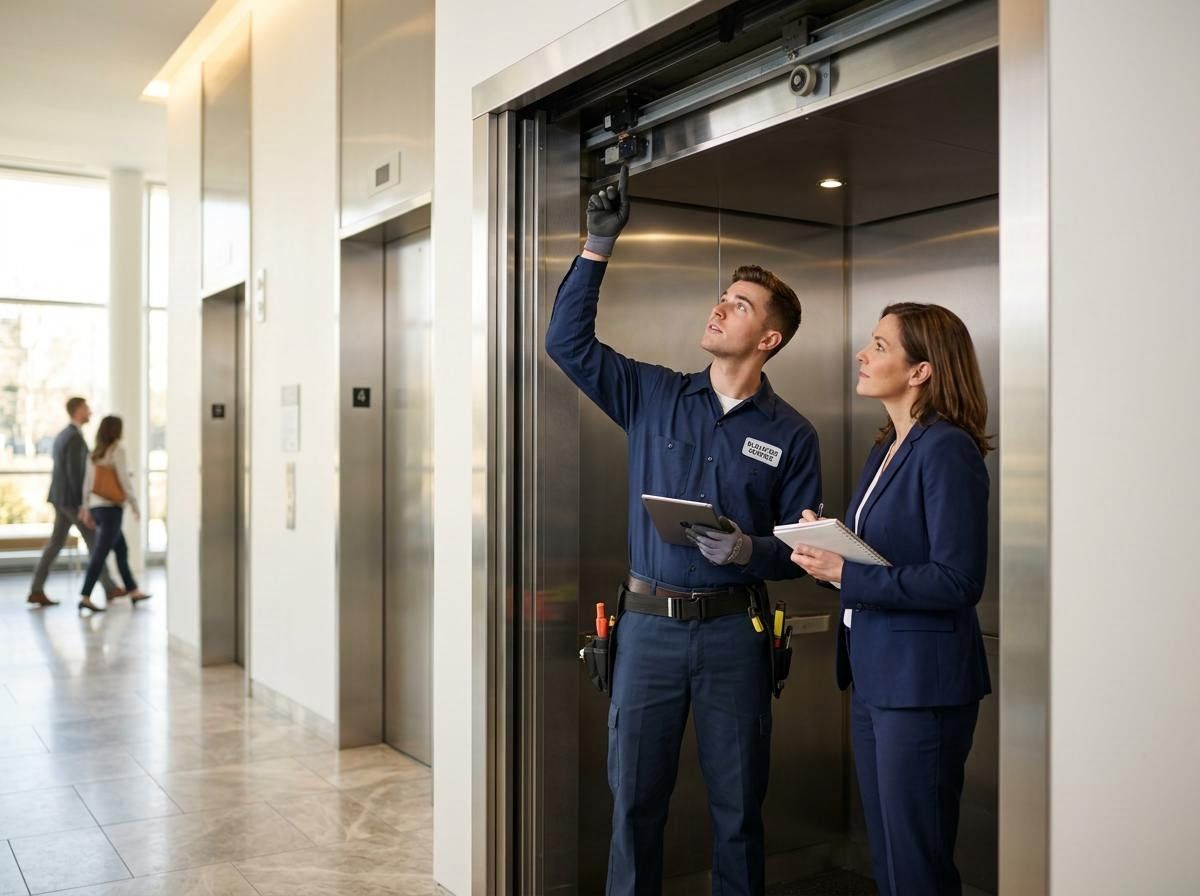
Whether it's a routine check or an emergency elevator repair, the quality of your elevator service provider makes all the difference. Professional technicians bring specialized knowledge to every elevator inspection, ensuring that all safety protocols are meticulously followed and potential hazards are identified and addressed promptly. Their expertise can also guide you through modernization options, recommend optimal elevator installation practices for new builds, and develop a comprehensive maintenance plan tailored to your specific needs. Partnering with a skilled and reliable team helps ensure your vertical transportation remains safe, efficient, and compliant.
Understanding the nuances of elevator inspection ensures your system remains safe and efficient, protecting both your investment and the well-being of its users. For comprehensive elevator service, including expert elevator inspection tailored to your specific needs, consider exploring our full range of offerings. Rise Elevator Services is dedicated to keeping your elevators safe and reliable.