
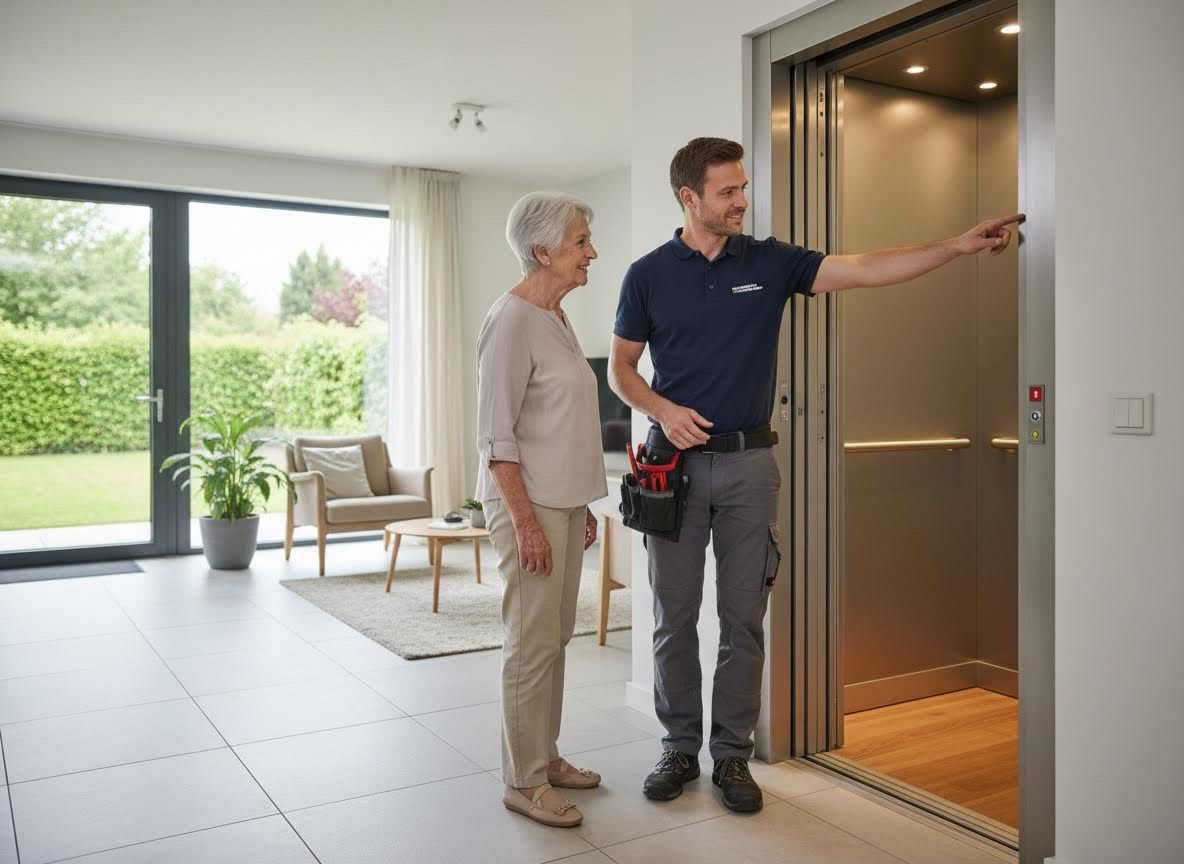
Owning a home elevator offers unparalleled convenience and accessibility, but like any sophisticated machinery, it requires diligent care to ensure its safe and optimal operation. Regular maintenance is not just a recommendation; it's a necessity for preserving your investment and guaranteeing peace of mind for your household. At Rise Elevator Services, we understand the critical importance of keeping your home elevator in pristine condition. This guide will help you understand the ideal maintenance schedule for your residential lift.
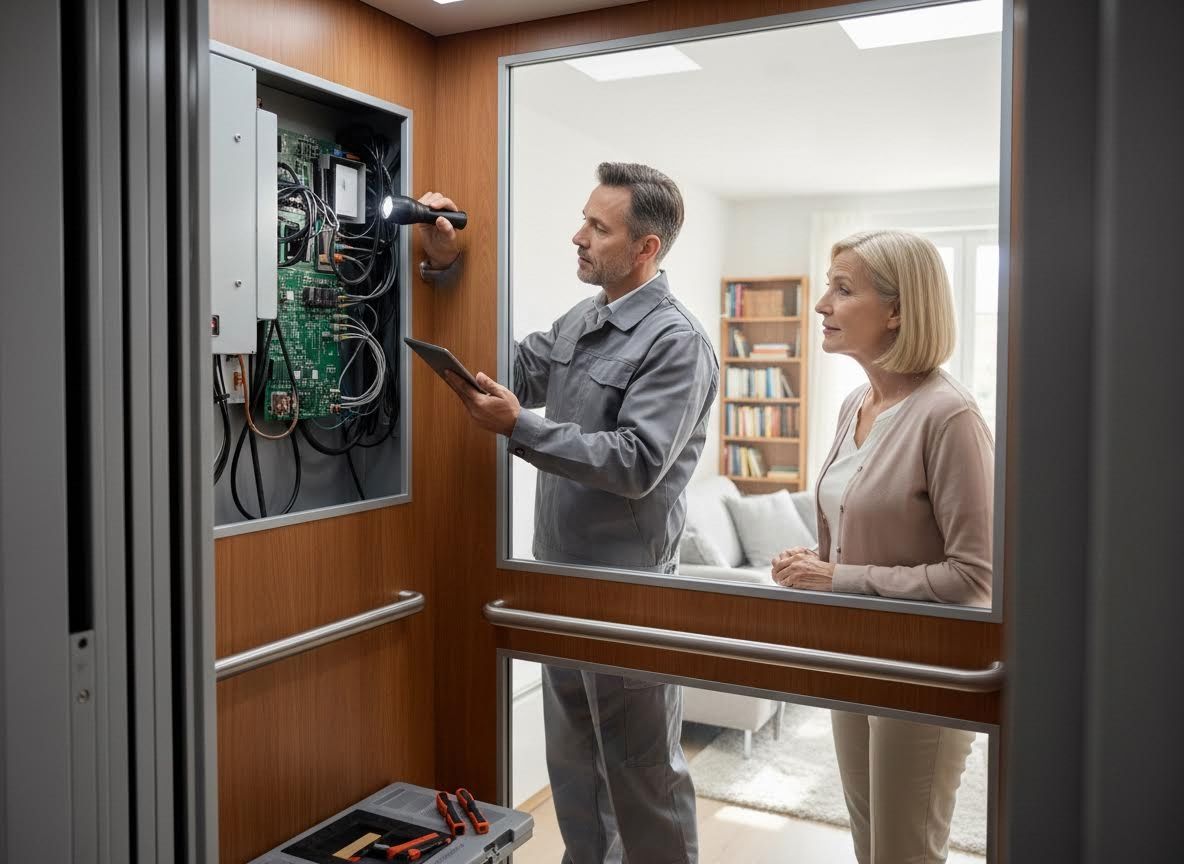
Why Regular Home Elevator Maintenance is Non-Negotiable
Think of your home elevator as a vital part of your home's infrastructure, designed for daily use and significant loads. Neglecting its upkeep can lead to decreased efficiency, potential breakdowns, and, most critically, safety hazards. A well-maintained elevator ensures smooth rides, extends its lifespan, and protects against unexpected costly repairs. Regular inspections are crucial for identifying minor issues before they escalate, ensuring components like cables, brakes, and safety mechanisms are functioning perfectly.
Recommended Maintenance Schedules
While exact schedules can vary based on usage and elevator type, most industry experts and local elevator companies recommend professional maintenance at least once or twice a year for residential elevators. For elevators with heavy daily use or those in older homes, a quarterly schedule might be more appropriate. These visits involve a thorough inspection and lubrication of moving parts, adjustment of critical components, and testing of all safety features. Following manufacturer guidelines is always a strong starting point, but a reputable elevator company can provide tailored advice based on a comprehensive assessment of your specific unit.
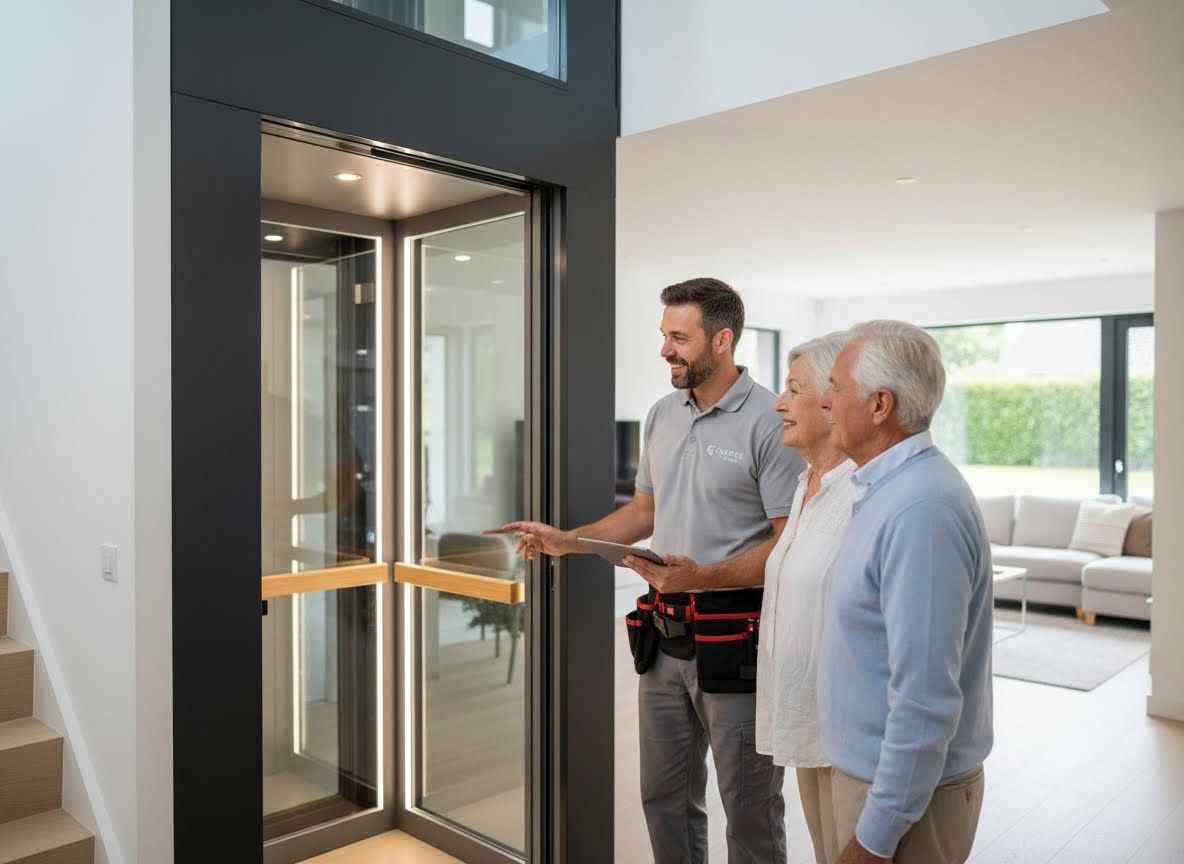
Factors Influencing Your Home Elevator's Maintenance Frequency
Several key factors can influence how often your home elevator needs professional attention. The most significant factor is usage; an elevator used multiple times daily will naturally require more frequent checks than one used occasionally. The age of your elevator is another critical consideration, as older units may have components that have more wear and tear. Furthermore, the type of elevator (e.g., hydraulic, traction, or winding drum) and specific manufacturer's recommendations play a vital role. Even environmental factors, such as humidity or dust levels in your home, can impact performance and component longevity, making consistent oversight from an experienced elevator mechanic essential.
Proactive maintenance is the cornerstone of a safe, reliable, and long-lasting home elevator. By adhering to a consistent maintenance schedule, you protect your family, preserve your investment, and ensure seamless functionality for years to come. Rise Elevator Services is dedicated to providing superior craftsmanship and unwavering dedication to customer satisfaction, ensuring your residential elevator operates at its best. For expert guidance on tailoring a maintenance plan to your specific home elevator needs, connect with our team to discuss your options.