

Residential elevators enhance convenience and accessibility within your home, offering a touch of luxury and practicality. However, like any sophisticated machinery, safe and reliable operation is paramount. Understanding how to properly use and maintain your residential elevator is crucial for ensuring the safety of all occupants. At Rise Elevator Services, we believe that education is a key component of elevator safety, and this guide aims to provide homeowners with essential knowledge for peace of mind.
Understanding Your Residential Elevator's Operation
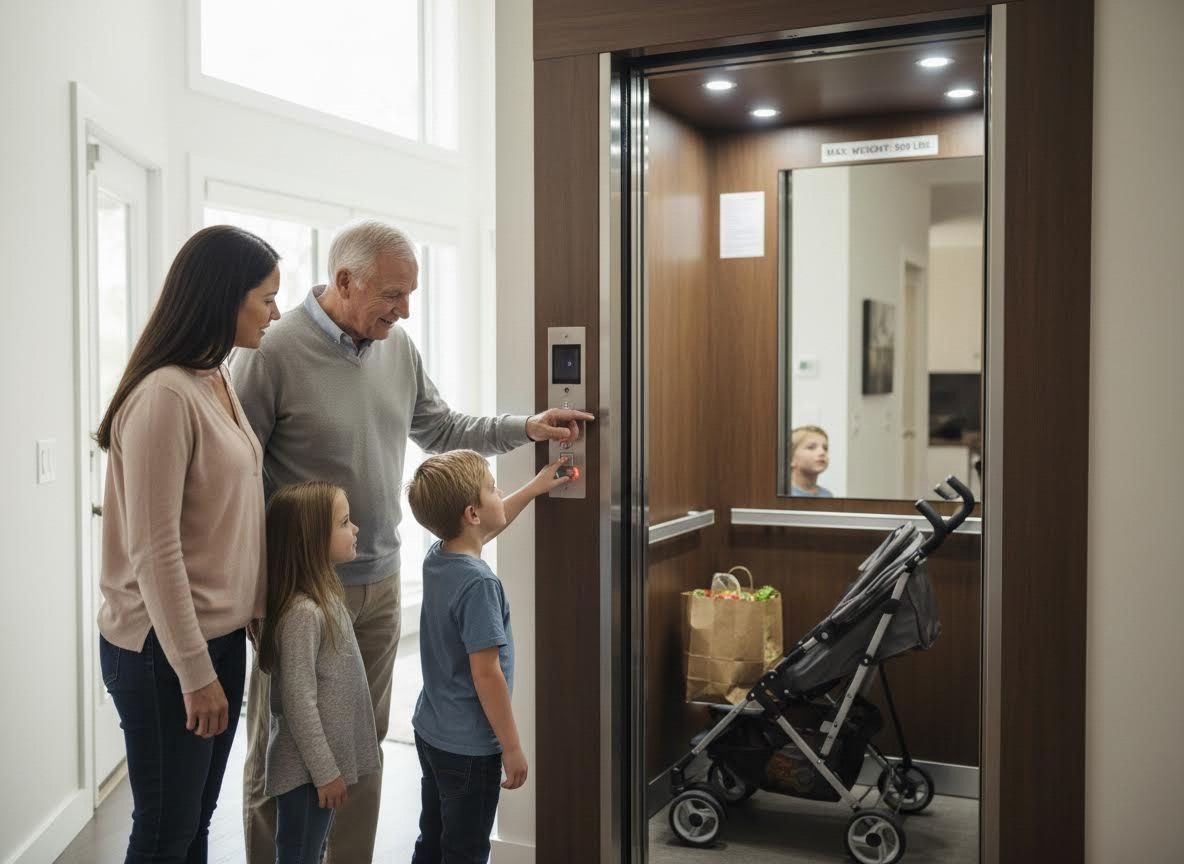
Operating your residential elevator safely begins with a thorough understanding of its basic functions and limitations. Always be aware of the elevator's weight capacity, which is typically posted inside the cab; never exceed this limit. Ensure that all passengers and items are fully inside the cab before closing the doors and starting a ride. Teach everyone in your household, especially children, the proper way to call and operate the elevator. Avoid forcing doors open or using the elevator if you notice anything unusual, such as strange noises or erratic movement.
The Critical Role of Regular Maintenance
Just like your car, your residential elevator requires routine professional maintenance to operate safely and efficiently. Scheduling regular inspections and servicing by a certified elevator mechanic is not just recommended; it's essential. A skilled elevator company will identify and address potential issues before they escalate, prolonging the life of your unit and, most importantly, ensuring its safe performance. These preventative checks involve inspecting electrical components, cables, doors, and safety mechanisms, preventing unexpected breakdowns and ensuring compliance with safety standards.

Emergency Preparedness and Safety Features
Knowing what to do in an emergency can make a significant difference. Familiarize yourself with your elevator's emergency features, such as the alarm button, emergency stop switch, and the in-cab telephone or intercom system. In the event of a power outage or malfunction, remain calm, activate the alarm, and use the communication system to contact emergency services or your designated contact. Never attempt to exit a stalled elevator without the assistance of trained personnel. Ensuring these safety features are regularly tested and in working order is part of a comprehensive safety plan.
Partnering with a Trusted Professional
For the ongoing safety and reliability of your residential elevator, partnering with experienced local elevator companies is invaluable. Whether you require a new installation, modernization of an existing unit, or routine repairs, choosing a professional and reputable elevator company guarantees that the work is performed to the highest industry standards. Their expertise ensures that your elevator meets all safety codes and operates optimally, providing you and your family with secure and uninterrupted service.
Ensuring the safe operation of your residential elevator is a shared responsibility between homeowners and skilled professionals. By understanding proper usage, prioritizing regular maintenance, and being prepared for emergencies, you can enjoy the convenience and accessibility your home elevator provides with complete confidence. To learn more about residential elevator safety or to schedule a professional service, consider reaching out to experts who can provide tailored advice and support for your specific needs.