Navigating the world of commercial elevators involves more than just pressing a button. It requires a thorough understanding of the safety regulations designed to protect passengers and ensure the smooth operation of these essential systems. For business owners, staying informed about these regulations is not just a matter of compliance; it's a commitment to the safety and well-being of everyone who uses their building.
Understanding the Basics of Elevator Safety Regulations
Elevator safety regulations are primarily governed by national and local codes, which outline the requirements for design, installation, maintenance, and inspection. These codes are regularly updated to incorporate new technologies, safety measures, and lessons learned from past incidents.
Key aspects covered by these regulations include:
Regular Inspections and Maintenance: Elevators must undergo routine inspections by certified professionals to identify potential issues and ensure all components are functioning correctly. Maintenance should be performed according to the manufacturer's recommendations and code requirements.
Emergency Communication Systems: All elevators must be equipped with a reliable two-way communication system that allows passengers to contact emergency personnel in case of entrapment or other emergencies.
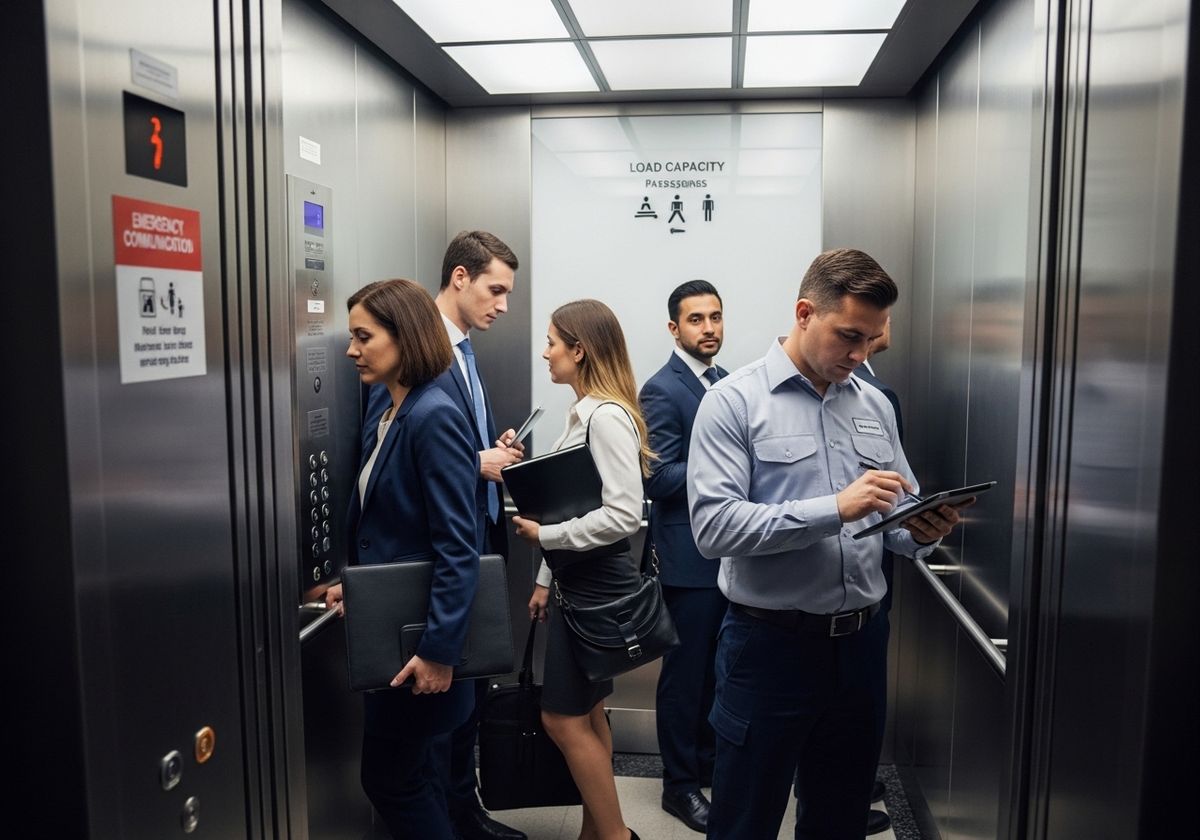
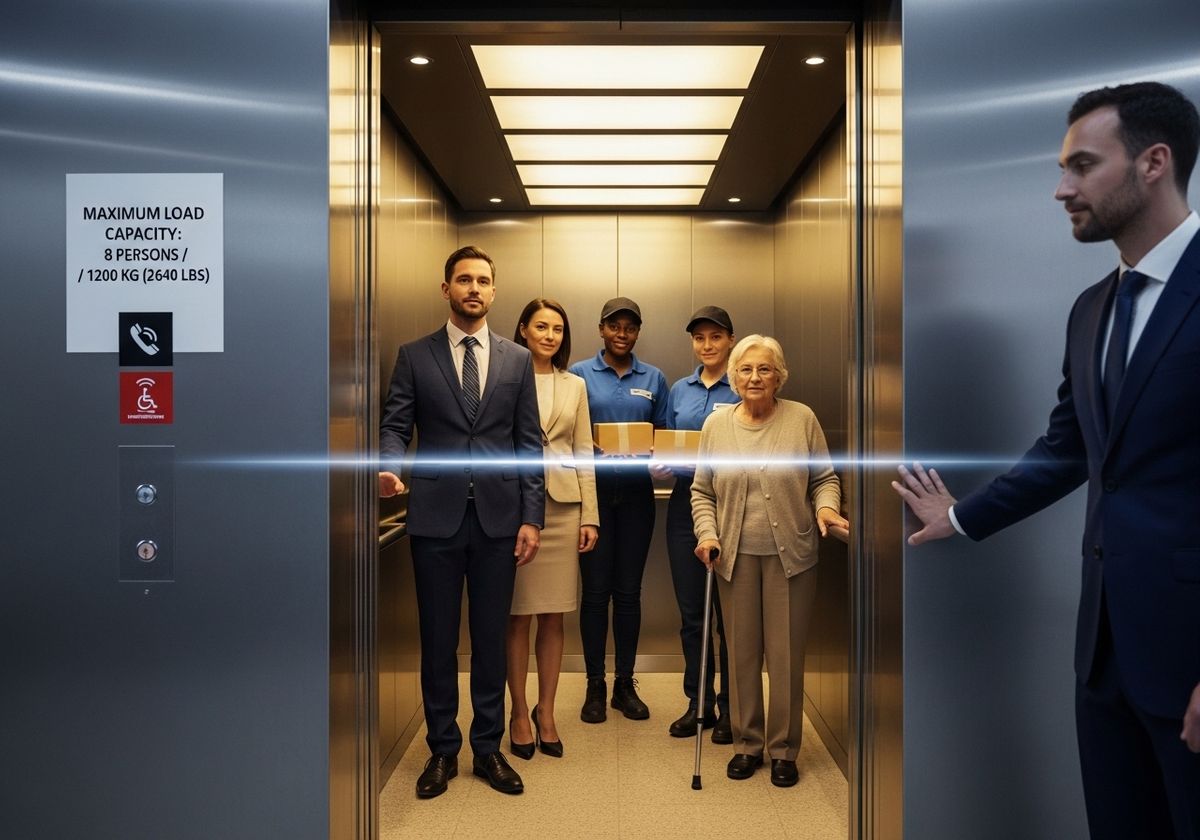
Load Capacity and Signage: Elevators must have clear and visible signage indicating the maximum load capacity. It is crucial to ensure that passengers do not exceed this limit, as overloading can lead to malfunctions and accidents.
Door Safety Features: Elevator doors must be equipped with safety features such as sensors and reversing mechanisms to prevent them from closing on passengers.
Shaftway Safety: The elevator shaftway must be protected to prevent unauthorized access and to ensure that it is free from obstructions that could interfere with the elevator's operation.
Staying Compliant and Ensuring Safety
For business owners, ensuring compliance with elevator safety regulations involves several key steps:
Partner with Qualified Professionals: Work with licensed and experienced elevator contractors who are familiar with the latest codes and standards. These professionals can provide expert guidance on maintenance, repairs, and upgrades.
Establish a Maintenance Schedule: Develop a comprehensive maintenance schedule that includes regular inspections, lubrication, and replacement of worn parts. Keep detailed records of all maintenance activities.
Provide Training for Employees: Educate employees on basic elevator safety procedures, such as how to respond to emergencies and how to avoid overloading the elevator.
Conduct Regular Safety Audits: Perform regular safety audits to identify potential hazards and ensure that all safety features are functioning correctly.
Promptly Address Issues: Immediately address any safety concerns or malfunctions. Do not allow the elevator to operate if it is not functioning properly.
The Role of Union Technicians in Elevator Safety
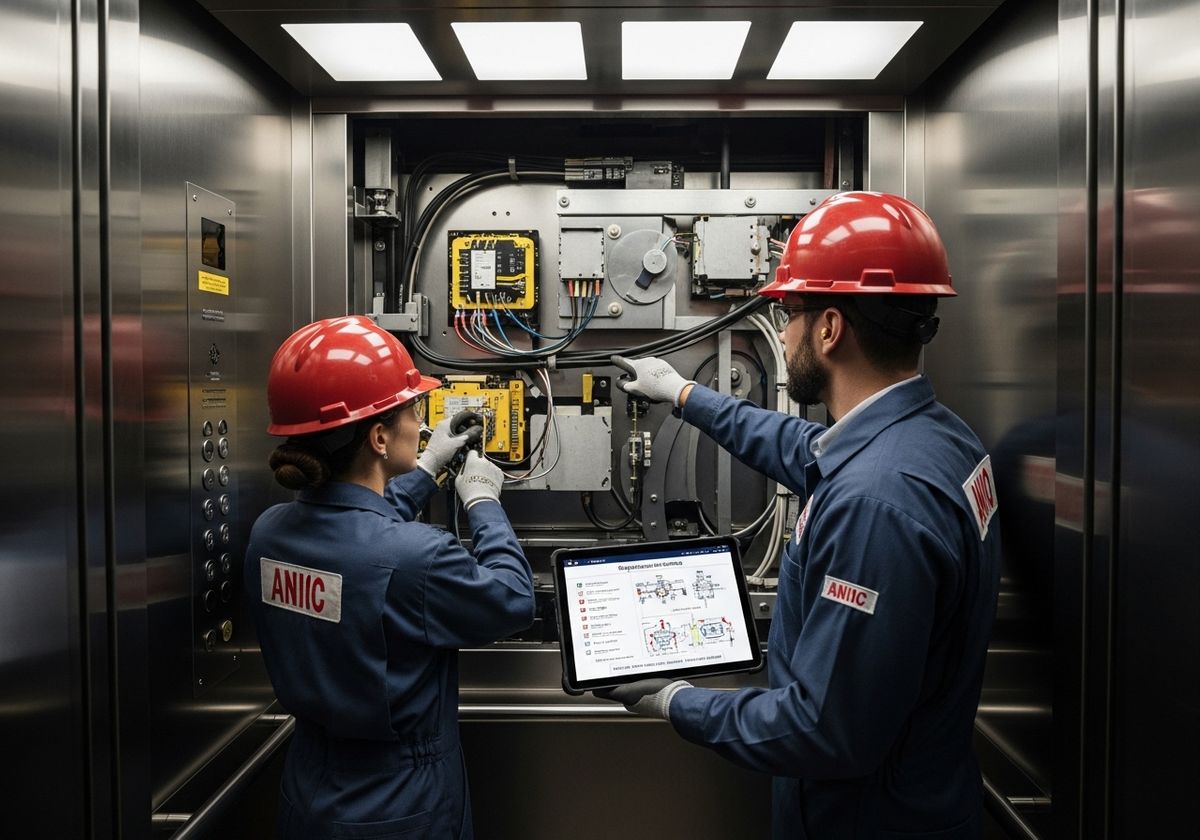
When it comes to elevator services, the expertise and dedication of union member technicians play a crucial role in upholding safety standards. Union technicians undergo rigorous training programs and adhere to strict safety protocols, ensuring that every job is performed with precision and care. Rise Elevator Services understands the importance of a skilled and qualified workforce in maintaining the safety and reliability of elevator systems. That's why we exclusively employ IUEC-certified elevator constructors, guaranteeing top-notch service and peace of mind for our clients. With our commitment to quality, non-proprietary solutions, and guaranteed repair times, Rise Elevator Services is your trusted partner for all your elevator needs. Contact us today to learn more about our services and how we can help you maintain a safe and efficient elevator system.